
Celiac disease (CD)
Celiac Disease: The Clinical Chameleon of Gastroenterology
Celiac disease is an autoimmune disorder triggered by the ingestion of gluten in genetically predisposed individuals. It is characterized by a wide range of clinical manifestations, both within and beyond the small intestine. In affected individuals, even minimal amounts of gluten can provoke an immune reaction that leads to villous atrophy in the intestinal lining. These histopathological changes may result in malabsorption syndrome.
What Does Villous Atrophy Mean?
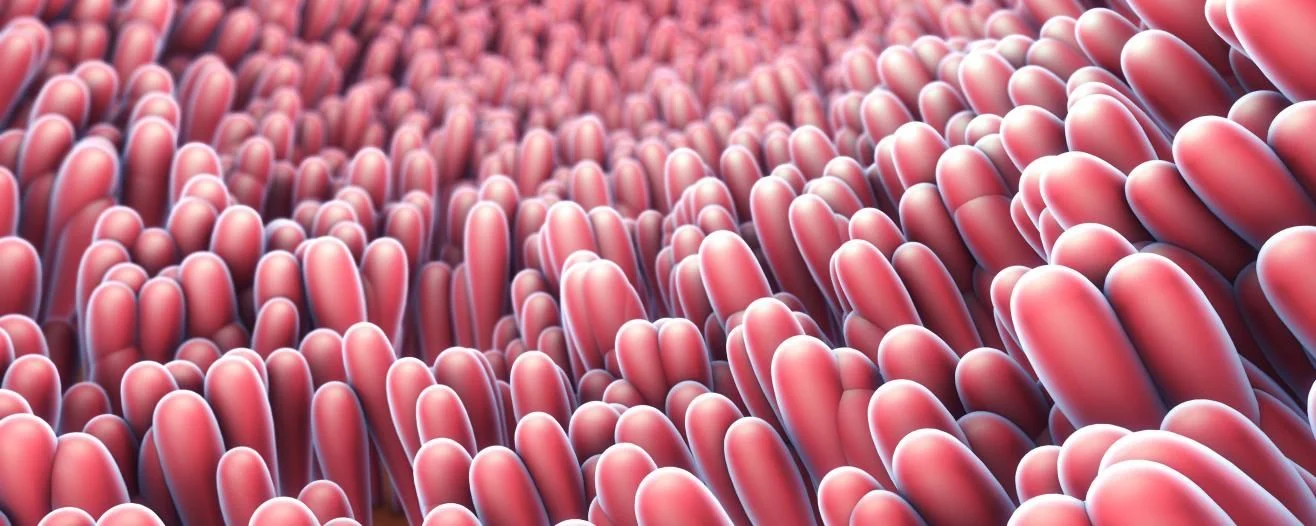
he mucosa of the small intestine is lined with villi and fine projections called microvilli, which serve to increase surface area and enhance nutrient absorption. In individuals with celiac disease, these villi and microvilli undergo partial or complete atrophy. This histological damage can be detected during diagnosis through a small intestine biopsy. Intestinal damage and mucosal flattening are associated with reduced nutrient absorption, potentially leading to nutritional deficiencies or even malnutrition.
Why Is Celiac Disease Considered the “Chameleon of Gastroenterology”?
Celiac disease is often referred to as “the chameleon of gastroenterology” due to its highly variable presentation. This autoimmune disorder can manifest with a wide range of intestinal and extraintestinal symptoms, and in some cases, may be entirely asymptomatic. Many cases go undetected for years because of the diversity in clinical presentation.
Dr. Schär Institute Newsletter
Bundled gluten-related disorders (GRDs) expertise for your practice: our newsletter keeps you up to date on celiac disease and related topics.
You might also be interested in

Treating celiac disease means educating, caring for and motivating people
Read more: Treatment
Sources
- Felber, J., Bläker, H., Fischbach, W., Koletzko, S., Laaß, M.W., Lachmann, N., Lorenz, P., Lynen, P., Reese, I., Scherf, K., Schuppan, D., & Schumann, M. (2021). Updated S2k Guideline on Celiac Disease by the German Society for Gastroenterology, Digestive and Metabolic Diseases (DGVS). Consultation version, October 2021.