
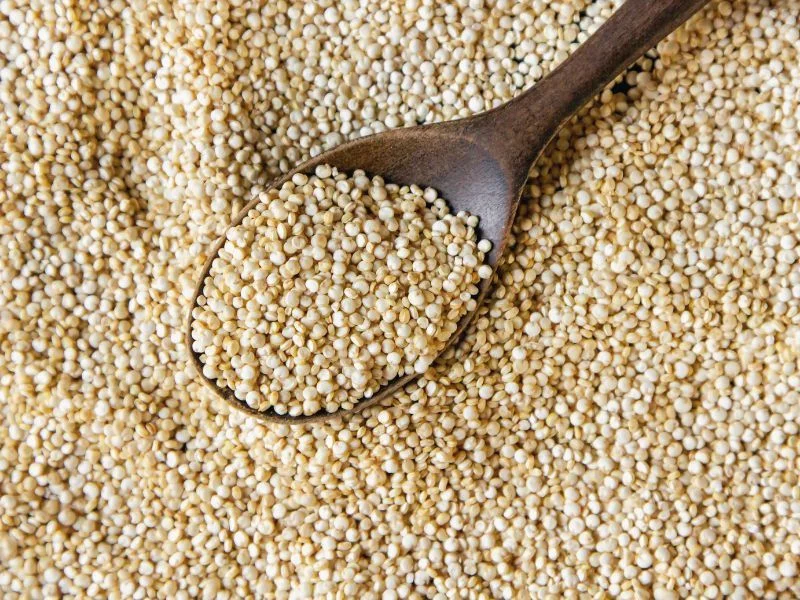
Millet in a gluten-free diet: properties and nutritional value
Find out whether millet contains gluten, its nutritional profile and how to include this gluten-free cereal in the diet.
Millet in a gluten-free diet: properties and nutritional value of this cereal
Belonging to the grass family, millet (Panicum miliaceum L.) is a naturally gluten-free cereal. In addition to its culinary versatility, it stands out for its fibre, protein and antioxidant content.
From a dietary perspective, it can be used in a wide range of dishes: from salads, soups or side dishes to flour for making gluten-free products, such as bread or pancakes.
However, is it advisable to include millet in the diet of patients with coeliac disease or gluten sensitivity? In this article, we review the role of this cereal within a gluten-free diet, its nutritional profile and its properties.
Does millet contain gluten?
Millet is naturally gluten-free, so it is suitable for people with coeliac disease or other gluten-related disorders. However, as with other gluten-free cereals, it is important to ensure that the product has not been contaminated during processing.
Therefore:
- Millet does not contain gluten.
- Millet flour is naturally gluten-free.
- Millet bread can be gluten-free if it is made without cross-contamination.
Where is millet grown?
Widely distributed worldwide, millet is a cereal that is particularly prevalent in Asia and Africa, where it is a staple food in several regions. It is a hardy crop, capable of adapting to both hot climates and temperate zones. The main producing countries include India, Nigeria, Niger and China. In Europe, the most common variety for human consumption is known as Proso millet. Furthermore, each variety can be grown in different soils and climatic conditions, which influences its final nutritional composition.
Plant structure
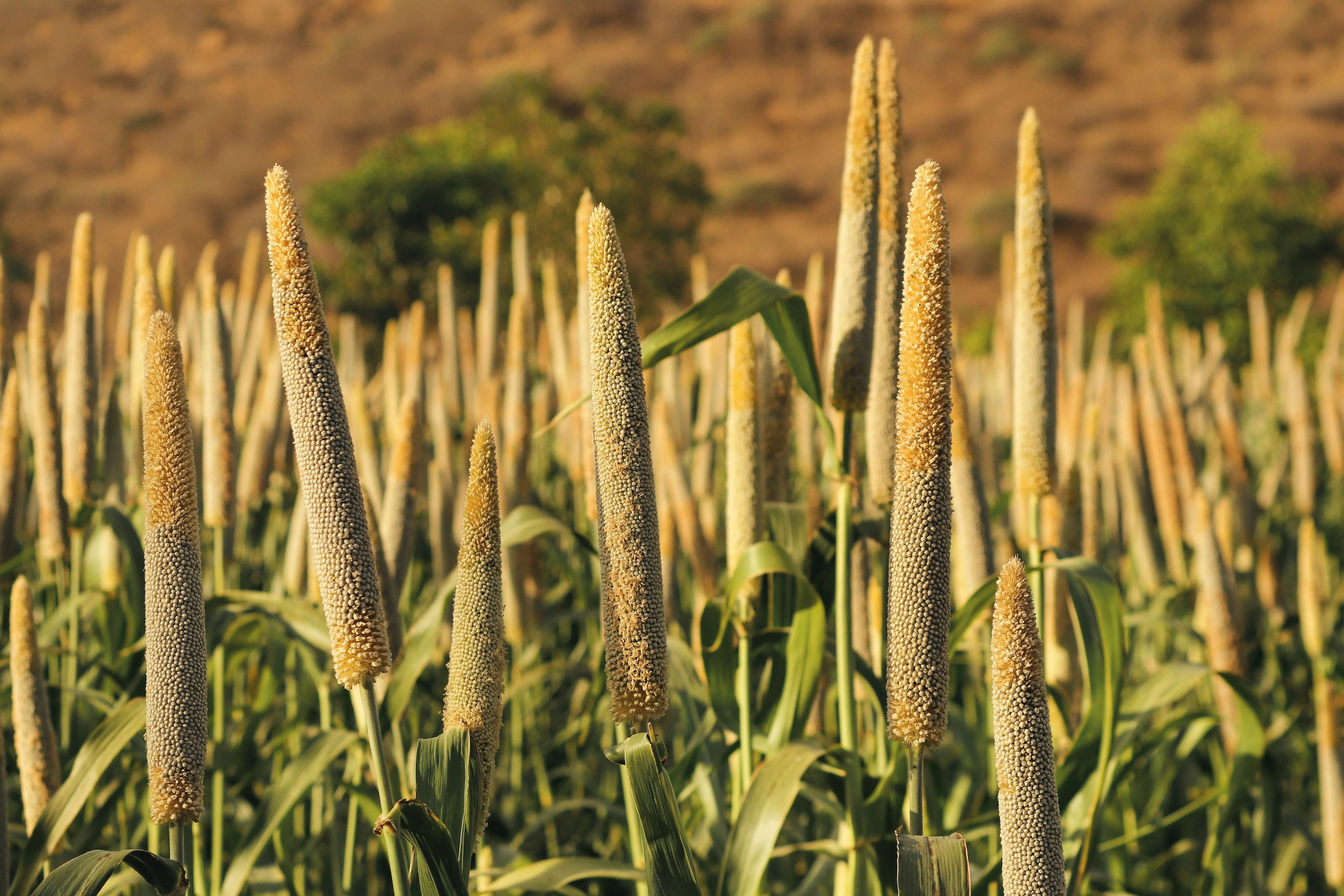
The morphology of millet varies according to the species, although it usually always exhibits the following characteristics:
- Variable height. From 40 to 80 cm in small varieties up to several metres in the case of sorghum.
- Panicle-shaped inflorescences.
- Small, round or elliptical grains, with colours ranging from white to brown.
- Deep root system. Between 60 and 120 cm.
- Elongated, lanceolate leaves.
Information on sowing and harvesting millet
Millet is a short-cycle crop, which makes it easy to adapt to different farming systems:
- It is sown between May and June.
- The growing cycle is approximately 100 days.
- Harvesting takes place between late August and September.
- It is notable for its resistance to drought and heat stress, although it is sensitive to excess water.
Nutritional profile of millet
Millet has a very interesting nutritional profile within a gluten-free diet, particularly in clinical cases where the aim is to diversify nutrient sources. Let’s take a closer look:
Benefits of millet in a gluten-free diet: is it worth including?
In conclusion, millet is an option that should be considered to enrich the gluten-free diet of patients with coeliac disease. Not only because of its high nutritional value, but also because of its wide culinary versatility. From a clinical perspective, it can be used as an alternative to other cereals, as it helps to improve the variety and nutritional quality of this type of diet. However, as with other gluten-free foods, it is essential to ensure it is handled correctly to avoid cross-contamination and safeguard each patient’s safety.
You may also be interested in...

Coeliac disease: global prevalence and new findings from 2026
Read more: Coeliac disease: global prevalence and new findings from 2026
Dermatitis herpetiformis: the skin as a sign of coeliac disease
Read more: Dermatitis herpetiformis: the skin as a sign of coeliac disease
3 interesting clinical cases from a nutrition consultation
Read more: 3 interesting clinical cases from a nutrition consultation