
Quality

Ingredient diversity in gluten-free foods – functions & benefits
Food additives are substances that are used specifically to support the quality, shelf life, and sensory properties of foods. They generally have no nutritional value of their own and are not considered classic ingredients, but they play an important role, especially in the production of gluten-free products.
What ingredients are in gluten-free products?
Gluten-free flours do not contain gluten, which in conventional dough provides elasticity, volume, and a moist crumb by forming a stable gluten structure and binding water and fermentation gases.
The absence of gluten therefore affects both the structure and taste of gluten-free baked goods. The special functional properties of gluten cannot be replaced by a single ingredient. In order to obtain a product that is both appealing in taste and texture and meets nutritional requirements, a carefully balanced combination of high-quality ingredients is necessary.
In addition to functional ingredients such as fiber, vegetable proteins, and starches, technological additives are also used. These specifically support the dough structure, texture formation, and stability of the end product and help to maintain the high quality of gluten-free products.
What is the purpose of additives? Quality through function
Additives perform different tasks depending on their functional class.
The most important ones include:
- Supporting safety and freshness
- Improving taste, texture, and color
- Extending shelf life
The Codex Alimentarius distinguishes between 27 functional classes, including emulsifiers, antioxidants, and thickeners.
Responsible use of additives
Dr. Schär's Quality Commitment, for example, promises the responsible use of food additives: the products are manufactured without the addition of artificial flavors, colors, or preservatives. Instead, functional ingredients such as thickeners, emulsifiers, and fiber are used in a targeted manner to achieve the desired product characteristics.
Most commonly used food additives as substitutes for gluten:
- Gums (e.g., guar gum, xanthan gum)
- Cellulose and cellulose derivatives
- Starch
All food additives used in the United States are reviewed and evaluated by the Food and Drug Administration (FDA). These evaluations are based on the best available scientific evidence and ensure the safety and quality of food additives in the food supply.
You may also be interested in

Case study: Difficulty concentrating – searching for clues in cases of unclear malabsorption
Read more: Case study: Difficulty concentrating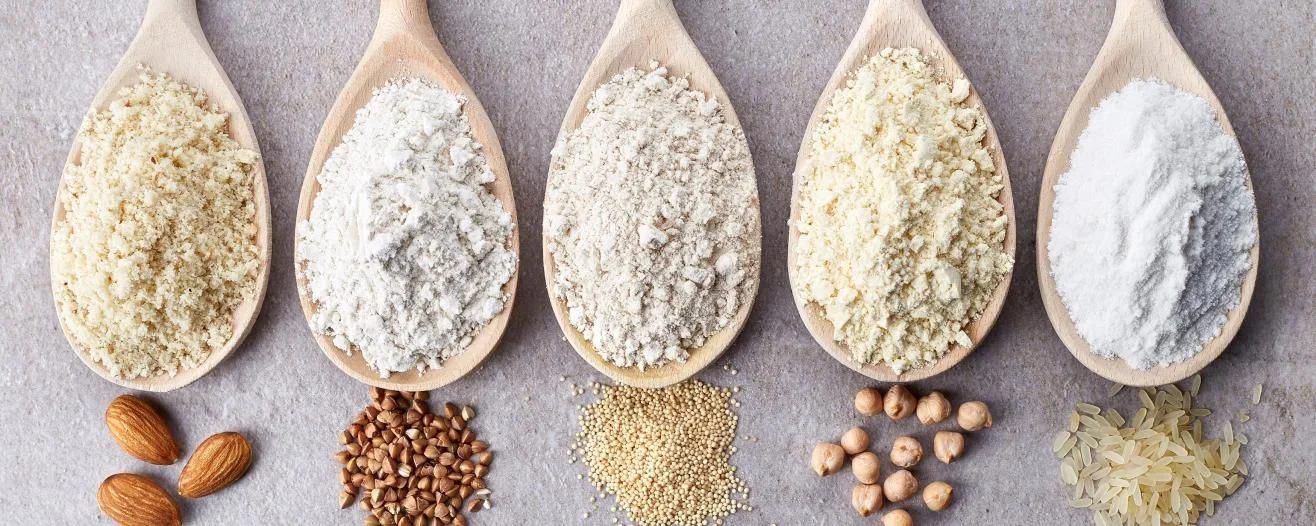
Treating celiac disease means educating, caring for and motivating people
Read more: Treatment
Sources
- World Health Organization: WHO. (2023). Food additives.
- U.S. Food & Drug Administration: FDA. (2025). Substances Added to Food (formerly EAFUS).
- U.S. Food & Drug Administration: FDA. (2025). SCOGS (Select Committee on GRAS Substances).
- Nascimento AB, Fiates GMR et al. Availability, cost and nutritional composition of gluten-free products. Br Food J 2014; 116(12):1842-1852
- Stantiall SE, Serventi L. Nutritional and sensory challenges of gluten-free bakery products: a review. International J Food Sci & Nutr 2017; 28:1-10