

Predisposing factors for coeliac disease
Genetics, introduction of gluten, gut microbiota, infections and breastfeeding: what we know about the factors that may influence the development of coeliac disease.
Predisposing factors for the development of coeliac disease
Coeliac disease is a systemic, immune-mediated condition triggered by the ingestion of gluten in genetically predisposed individuals. Although genetic predisposition is a fundamental requirement for its development, it does not, on its own, explain why some people develop the condition and others do not.
In recent decades, the rise in diagnoses has spurred research into possible environmental factors involved in the development of coeliac disease.
Among these, studies have examined the introduction of gluten into a child’s diet, breastfeeding, gastrointestinal infections, the gut microbiota and early exposure to antibiotics.
However, to date, no single environmental factor has been shown to be directly responsible for the onset of the disease.
What factors predispose a person to developing coeliac disease?
Coeliac disease is considered a multifactorial condition. This means that its onset depends on the interaction between a genetic predisposition and various environmental factors that may influence the development of the immune response to gluten.
For this reason, when discussing the possible causes of coeliac disease, we must understand that there is no single trigger, but rather a combination of factors whose influence is still being investigated.

A multifactorial condition: genetics and environmental factors
One of the best-known factors in coeliac disease is genetic predisposition. Most people diagnosed with the condition carry the HLA-DQ2 or HLA-DQ8 haplotypes, which are involved in the immune response to gluten proteins. However, these markers are also present in a significant proportion of the healthy population who will never develop the disease. Therefore, genetics alone is not sufficient to explain its onset. It is currently believed that various environmental factors may contribute to triggering the disease in susceptible individuals, although the exact extent of their influence remains a subject of ongoing research.
The age at which gluten is introduced into a baby’s diet
For years, it was thought that the timing of introducing gluten into a child’s diet could affect the risk of developing coeliac disease.
Does breastfeeding protect against coeliac disease?
For a number of years, the possibility was also raised that breastfeeding might have a protective effect against the development of coeliac disease, particularly when gluten was introduced whilst the infant was still being breastfed.
However, the truth is that the most recent studies have not been able to consistently confirm this protective effect.
This does not detract from the importance of breastfeeding, which continues to offer numerous benefits for children’s health, but the current evidence does not support the claim that it reduces the risk of developing coeliac disease.
Microbiota, antibiotics and gut dysbiosis
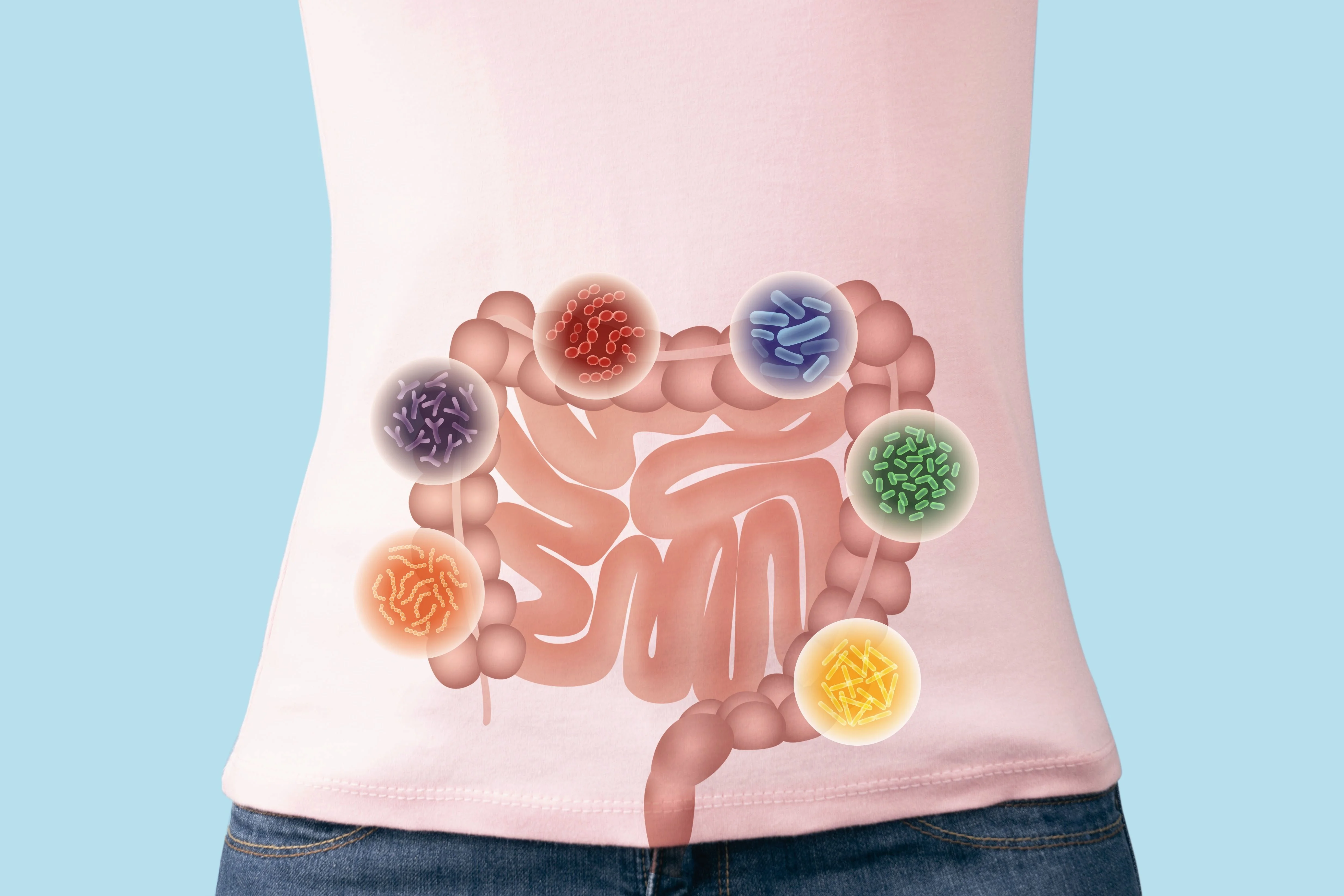
The gut microbiota plays an essential role in the development and functioning of the immune system. Consequently, in recent years, research has been conducted to investigate whether changes in the composition of the microbiota (known as intestinal dysbiosis) might influence the onset of coeliac disease. Some studies have observed associations between early use of antibiotics and a subsequent increased risk of coeliac disease. However, the results are inconsistent and do not allow a causal relationship to be established. Furthermore, the microbiota is influenced by numerous factors, such as diet, infections, the environment or medical treatments themselves, making it difficult to determine whether the observed changes are a cause, a consequence or simply a characteristic associated with the disease.
Infections as possible triggers: enteroviruses and rotaviruses
Infections during childhood have also been studied as possible factors involved in the development of coeliac disease.
Various studies suggest that certain gastrointestinal infections may act as triggers in genetically predisposed individuals.
Among the most widely studied microorganisms are enteroviruses and rotaviruses.
However, although statistical associations have been reported, it has not yet been demonstrated that these infections are a direct cause of the disease.
Is there any factor for which there is definitive evidence?
Despite the numerous studies carried out, there is currently no environmental factor that has been conclusively shown to cause or prevent coeliac disease. Genetic predisposition remains the main known factor, whilst other factors such as infant feeding, the gut microbiota, infections or exposure to antibiotics may play a complementary role, the exact significance of which is not yet known. It is likely that the development of the disease depends on the interaction between multiple factors acting together in predisposed individuals.
What we know today about the predisposing factors for coeliac disease
In conclusion, coeliac disease is a complex condition involving both genetic and environmental factors. We know that a genetic predisposition is necessary for the disease to develop, but it is not sufficient on its own.
We also know that various factors related to infant feeding, the gut microbiota or infections could influence its development, although the available evidence does not yet allow us to establish firm causal links.
A better understanding of these interactions will advance our knowledge of the disease and, possibly, lead to the development of more effective preventive strategies in the future.
Frequently asked questions
Sources
Beatriz Arau López de Sagredo and Fernando Fernández-Bañares
Gastroenterology Department, Hospital Universitari Mutua Terrassa, CIBERehd, Terrassa (Barcelona)
You may also be interested in...

Coeliac disease: global prevalence and new findings from 2026
Read more: Coeliac disease: global prevalence and new findings from 2026
Dermatitis herpetiformis: the skin as a sign of coeliac disease
Read more: Dermatitis herpetiformis: the skin as a sign of coeliac disease
3 interesting clinical cases from a nutrition consultation
Read more: 3 interesting clinical cases from a nutrition consultation
References
- Szajewska H, Shamir R, Mearin L, Ribes-Koninckx C, Catassi C, Domellöf M, et al. Gluten introduction and the risk of coeliac disease: a position paper by the European Society for Pediatric Gastroenterology, Hepatology, and Nutrition. J Pediatr Gastroenterol Nutr. 2016.
- Lionetti E, Castellaneta S, Francavilla R, Pulvirenti A, Tonutti E, Amarri S, et al. Introduction of gluten, HLA status, and the risk of celiac disease in children. N Engl J Med. 2014.
- Vriezinga SL, Auricchio R, Bravi E, Castillejo G, Chmielewska A, Crespo Escobar P, et al. Randomized feeding intervention in infants at high risk for celiac disease. N Engl J Med. 2014.
- Chmielewska A, Pieścik-Lech M, Shamir R, Szajewska H. Systematic review: early infant feeding and the prevention of coeliac disease. Aliment Pharmacol Ther. 2015.
- Størdal K, White RA, Eggesbø M. Early feeding and risk of celiac disease in a prospective birth cohort. Pediatrics. 2013.
- Mårild K, Kahrs CR, Tapia G, Stene LC, Størdal K. Infections and risk of celiac disease in childhood: a prospective nationwide cohort study. Am J Gastroenterol. 2015.
- Kemppainen KM, Lynch KF, Liu E, Lönnrot M, Simell V, Briese T, et al. Factors that increase risk of celiac disease autoimmunity after a gastrointestinal infection in early life. Clin Gastroenterol Hepatol. 2017.
- Kahrs CR, Chuda K, Tapia G, Stene LC, Mårild K, Rasmussen T, et al. Enterovirus as trigger of coeliac disease: nested case-control study within prospective birth cohort. BMJ. 2019.
- Kemppainen KM, Vehik K, Lynch KF, Larsson HE, Canepa RJ, Simell V, et al. Association between rotavirus vaccination and celiac disease autoimmunity. JAMA Pediatr. 2017.
- Koletzko S, Lee HS, Beyerlein A, Aronsson CA, Hummel M, Liu E, et al. Cesarean section on the risk of celiac disease in the offspring: the Teddy study. J Pediatr Gastroenterol Nutr. 2018.