
Quality
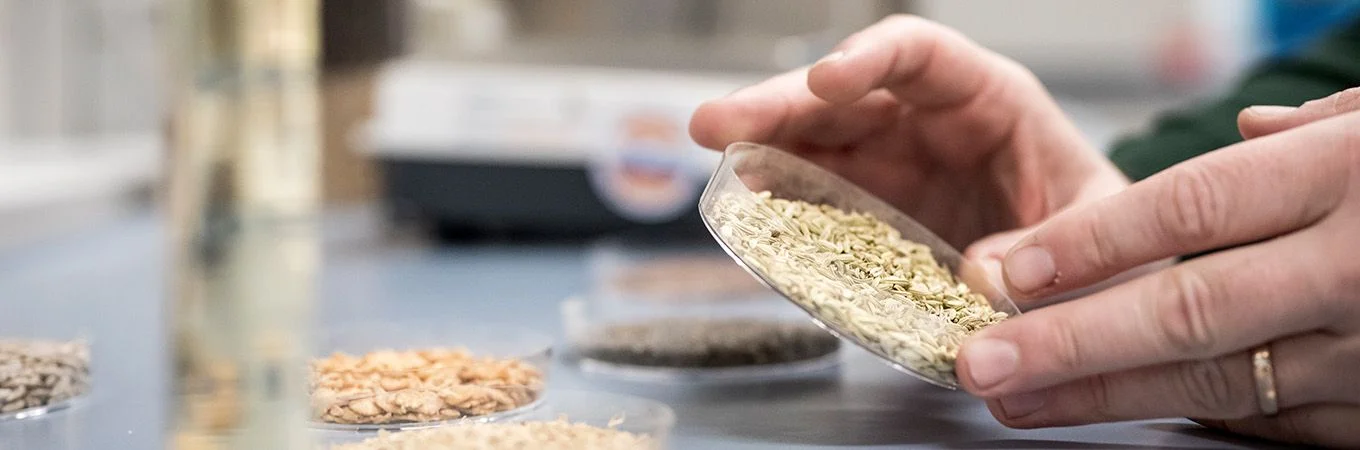
Grains and pseudograins in gluten-free foods – function & benefits
The production of high-quality gluten-free baked goods requires a careful selection of suitable flours and ingredients, as the typical baking properties of gluten are missing. Instead, there is now a wide variety of gluten-free grains and pseudograins available that offer both functional and nutritional benefits.
More than just a substitute: the role of high-quality raw materials in gluten-free products
Numerous gluten-free grains and pseudograins such as maize, rice, millet, buckwheat, quinoa, amaranth and lentils form the basis of high-quality gluten-free products. They not only provide valuable nutrients, but also taste variety and functional properties that are crucial for the production of high-quality gluten-free foods.
Sources
- World Health Organization: WHO. (2023). Food additives.
- EFSA Journal 2018: Re-evaluation of celluloses including HPMC (E 464) – DOI: 10.2903/j.efsa.2018.5047EFSA Journal 2015: Safety of change in specifications for HPMC (E 464) – DOI: 10.2903/j.efsa.2015.4088
- EFSA Panel on Food Additives and Flavourings (FAF). (2024). Re-evaluation of guar gum (E 412) as a food additive in foods for infants below
- Nascimento AB, Fiates GMR et al. Availability, cost and nutritional composition of gluten-free products
- Stantiall SE, Serventi L. Nutritional and sensory challenges of gluten-free bakery products: a review. International J Food Sci & Nutr 2017 ; 28:1-10