
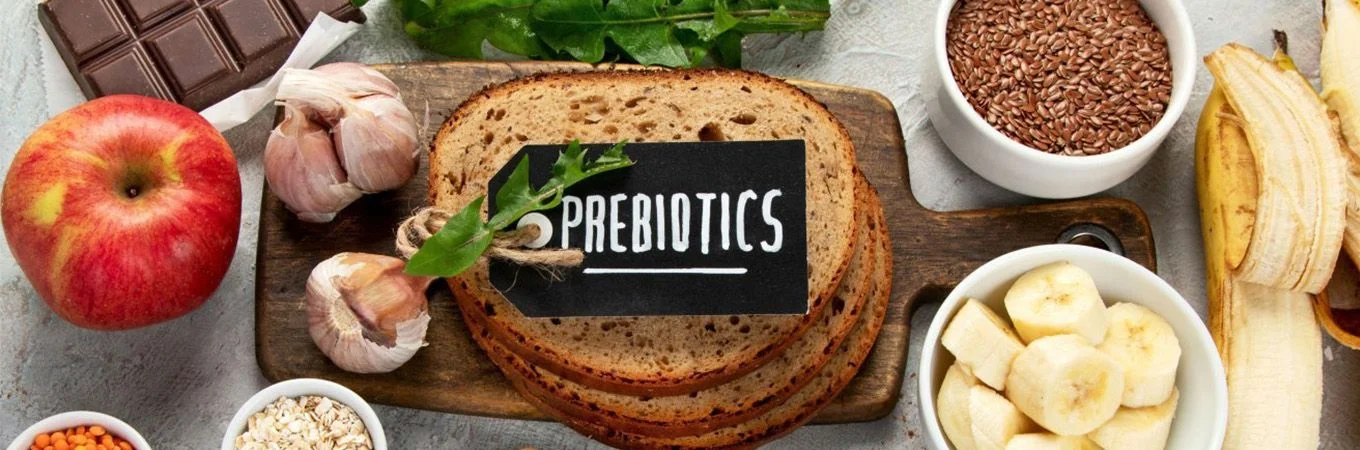
Prebiotics and Gut Health: Implications for Managing IBS and Functional GI Disorders
Prebiotic fibers support the health of the gut microbiota among those with functional GI disorders, such as IBS. Research highlights their mechanistic ability to increase beneficial short-chain fatty acids and manage inflammation, but the impact of prebiotic fiber supplementation on symptom relief varies. Although supplementation shows promise, caution is advised when introducing prebiotics in IBS patients due to their potential to exacerbate symptoms.
Irritable Bowel Syndrome (IBS) and other Disorders of Gut Brain Interaction (DGBIs) are a group of disorders characterized by gastrointestinal (GI) symptoms such as abdominal pain, bloating, distension, changes in bowel habits and abdominal pain. While research on their pathogenesis is ongoing, risk factors for DGBIs include motility disturbances, visceral hypersensitivity, altered mucosal and immune function, gut microbiota alterations and disruptions to the gut-brain-axis. IBS is estimated to affect as much as 11% of the global population.1
Conclusion and clinical implications
The heterogeneous evidence on prebiotics and symptom management highlights the importance of considering prebiotic dose and type in clinical nutrition practice and managing tolerance closely. Due to the significant dose-respondent relationship, patients who do wish to trial prebiotics are advised to introduce them gradually to allow for an adaptation period. This was the approach used in a small, recent proof of concept study in healthy adults, who were given 2.8 g/d of supplementary GOS for an initial 3 weeks adaptation period. While respondents reported initial consumption led to increased flatulence, the symptoms subsided by the third week. This suggests an extended trial period may allow for clearer understanding on response and potential symptom benefit (12).
Looking forward, additional research on low-FODMAP prebiotic fiber sources and at varying doses is warranted to clarify whether prebiotic supplementation should play a role in treatment plans for IBS and other FGIDs and, if so, optimal strategies for their use. Until then, encourage patients to include prebiotic rich-foods as part of an overall diet high in soluble fiber diet to support symptom management.
You may also be interested in...

3 interesting clinical cases from a nutrition consultation
Read more: 3 interesting clinical cases from a nutrition consultation
FODMAP Manipulation for Exercise-Associated GI Symptoms: A Severity-Led Approach
Read more: FODMAP Manipulation for Exercise-Associated GI Symptoms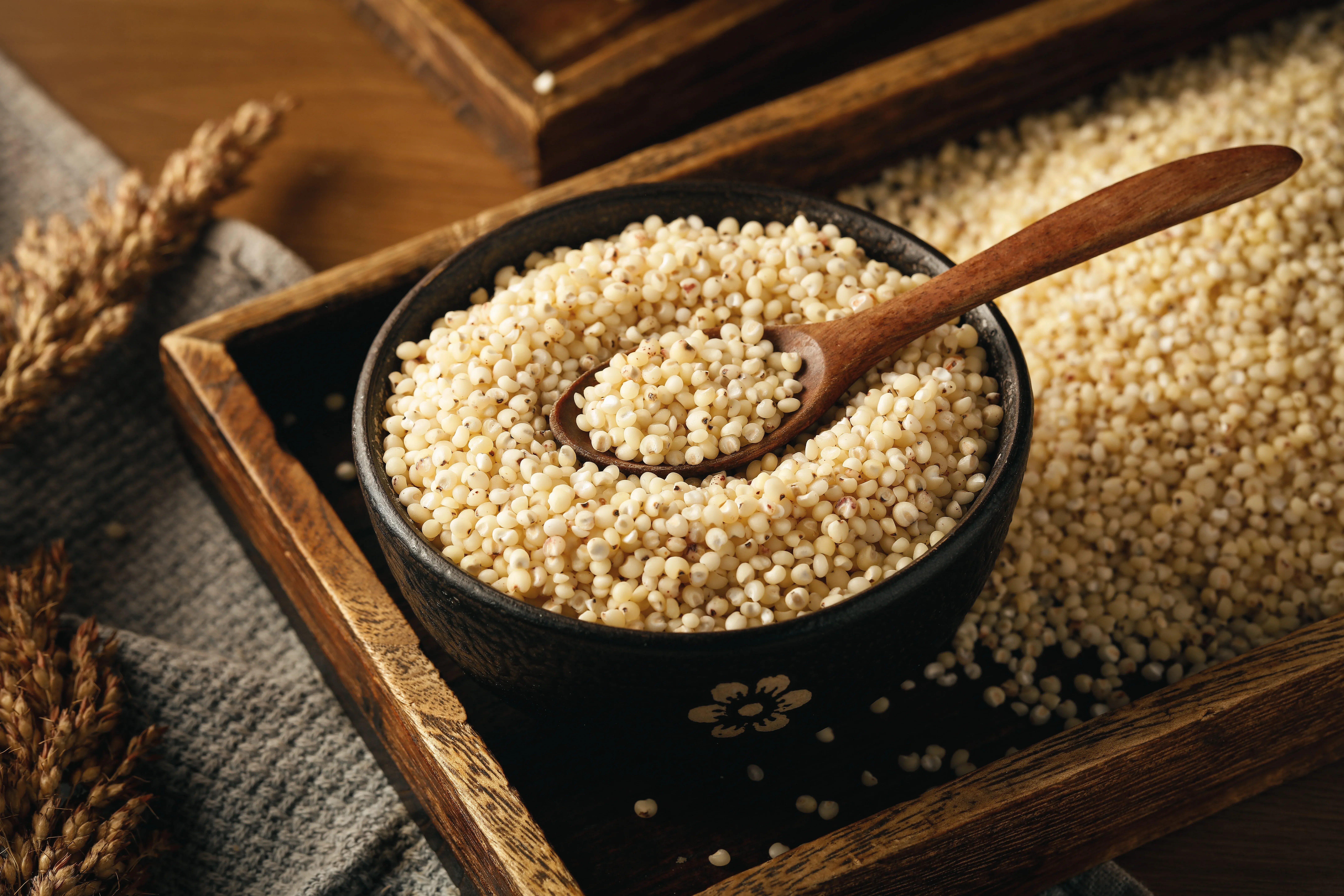
Sorghum: properties and uses in a gluten-free diet
Read more: Sorghum: properties and uses in a gluten-free diet
Sources
- Lovell RM, Ford AC. Global prevalence of and risk factors for irritable bowel syndrome: a meta-analysis. Clin Gastroenterol Hepatol 2012;10:712-21. E714.
- Wilson B, Rossi M, Dimidi E, Whelan K. Prebiotics in irritable bowel syndrome and other functional bowel disorders in adults: a systematic review and meta-analysis of randomized controlled trials. Am J Clin Nutr. 2019;109(4):1098-1111. doi:10.1093/ajcn/nqy376
- Zanini B, Ricci C, Bandera F, Caselani F, Magni A, Laronga AM, Lanzini A. Incidence of post-infectious irritable bowel syndrome and functional intestinal disorders following a water-borne viral gastroenteritis outbreak. Am J Gastroenterol 2012;107:891.
- Vicario M, González-Castro AM, Martínez C, Lobo B, Pigrau M, Guilarte M, de Torres I, Mosquera JL, Fortea M, Sevillano-Aguilera C. Increased humoral immunity in the jejunum of diarrhoea-predominant irritable bowel syndrome associated with clinical manifestations. Gut 2015;64:1379-1388.
- Gibson GR, Hutkins R, Sanders ME, Prescott SL, Reimer RA, Salminen SJ, Scott K, Stanton C, Swanson KS, Cani PD. Expert consensus document: the International Scientific Association for Probiotics and Prebiotics (ISAPP) consensus statement on the definition and scope of prebiotics. Nat Rev Gastroenterol Hepatol 2017;14:491-502.
- Vulevic J, Juric A, Walton GE, Claus SP, Tzortzis G, Toward RE, Gibson GR. Influence of galacto-oligosaccharide mixture (b-GOS) on gut microbiota, immune parameters and metabonomics in elderly persons. Br J Nutr 2015;114:586-595.
- Erhardt, R.; Harnett, J.E.; Steels, E.; Steadman, K.J. Functional constipation and the effect of prebiotics on the gut microbiota: A review. Br. J. Nutr. 2023, 130, 1015-1023
- Guarner F, Sanders ME, Szajewska H, et al. World Gastroenterology Organisation Global Guidelines: Probiotics and Prebiotics. J Clin Gastroenterol. 2024;58(6):533-553. Published 2024 Jul 1. doi:10.1097/MCG.0000000000002002
- So D, Whelan K, Rossi M, Morrison M, Holtmann G, Kelly JT, Shanahan ER, Staudacher HM, Campbell KL. Dietary fiber intervention on gut microbiota composition in healthy adults: a systematic review and meta-analysis. Am J Clin Nutr 2018;107:965-83.
- Rau S, Gregg A, Yaceczko S, Limketkai B. Prebiotics and Probiotics for Gastrointestinal Disorders. Nutrients. 2024;16(6):778. Published 2024 Mar 9. doi:10.3390/nu16060778
- Chey WD, Hashash JG, Manning L, Chang L. AGA Clinical Practice Update on the Role of Diet in Irritable Bowel Syndrome: Expert Review. Gastroenterology. 2022;162(6):1737-1745.e5. doi:10.1053/j.gastro.2021.12.248
- Mego M, Accarino A, Tzortzis G, et al. Colonic gas homeostasis: Mechanisms of adaptation following HOST-G904 galactooligosaccharide use in humans. Neurogastroenterol Motil. 2017;29(9):10.1111/nmo.13080. doi:10.1111/nmo.13080