
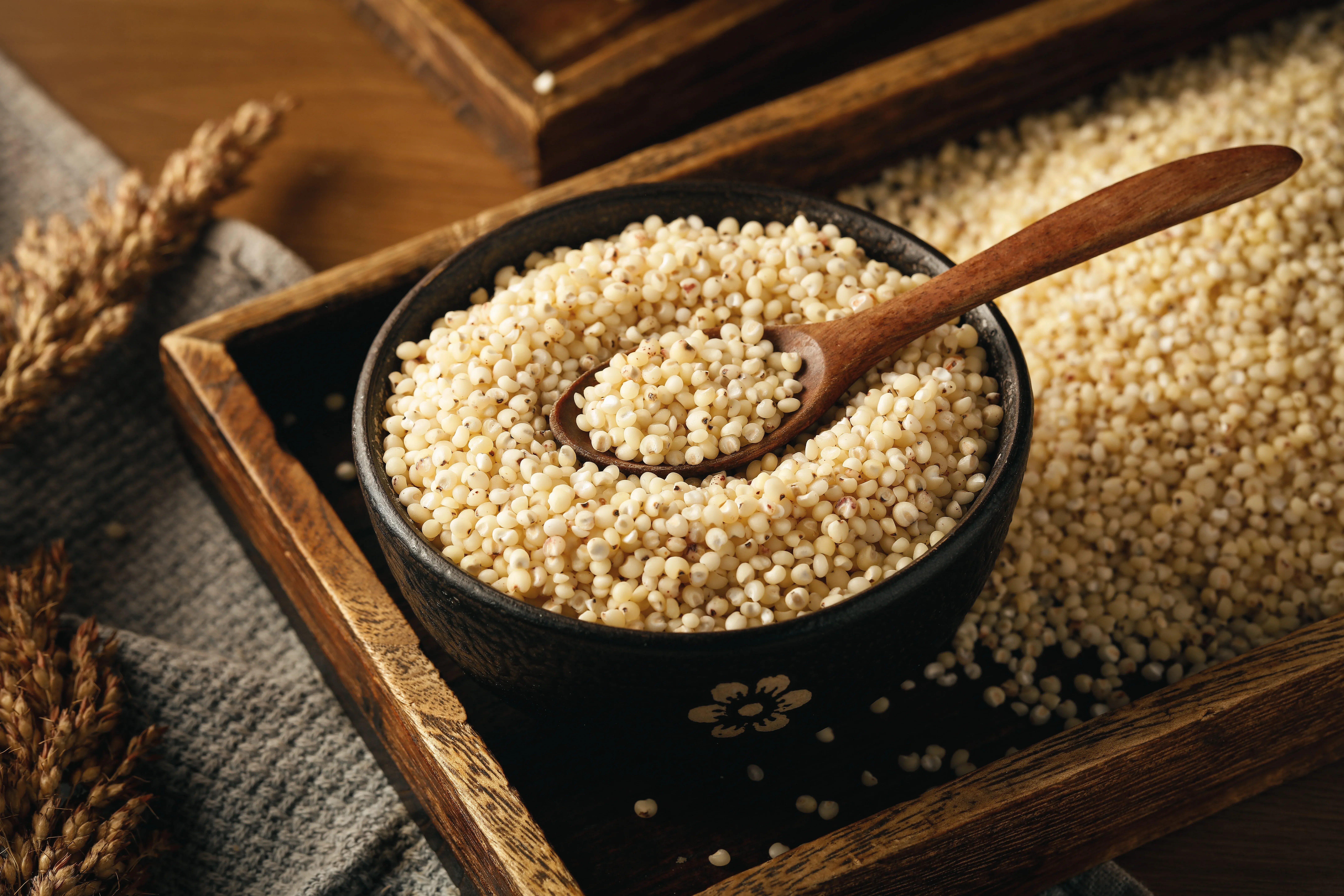
Sorghum: properties and uses in a gluten-free diet
What is sorghum? A gluten-free cereal rich in fibre and protein. Nutritional properties, cultivation and culinary uses in a gluten-free diet.
Sorghum in a gluten-free diet
Sorghum is a naturally gluten-free cereal that is attracting increasing interest due to its nutritional value, its versatility in cooking and its ability to thrive in adverse climatic conditions.
Although it is not yet as common an ingredient in the UK as rice or maize, it is a staple food in many regions of Africa, Asia and the Americas. Furthermore, it can be used to make flour, bread, porridge, semolina and even some fermented drinks.
Thanks to these characteristics, sorghum offers an interesting alternative for diversifying a gluten-free diet and increasing the consumption of cereals that are naturally free from this protein.
What is sorghum?
Sorghum (Sorghum bicolor) is a cereal belonging to the sweet grass family (Poaceae) and, in some classifications, is included within the group of large-grained millets. It has been cultivated for thousands of years and is currently one of the most widely produced cereals in the world.
It is characterised by its great ability to adapt to hot, dry climates, which is why it is a staple crop in many water-scarce countries.
As well as being used for human consumption, sorghum is also used for animal feed and in various industrial applications, such as the production of biofuels or certain plant-based materials.
Is sorghum suitable for a gluten-free diet?
Sorghum is a naturally gluten-free cereal and can therefore form part of the diet of people with coeliac disease or those who must follow a gluten-free diet on medical advice. In fact, sorghum flour is one of the most commonly used alternatives for making bread, pastries, biscuits and other gluten-free products.
However, as with other naturally gluten-free cereals, it is important to check that products made from sorghum have not been subject to cross-contamination during cultivation, processing or packaging.
For this reason, it is always advisable to choose products labelled ‘gluten-free’ when they are intended for people with coeliac disease.
Where is sorghum grown?
Sorghum cultivation originated around 7,000 years ago in East Africa, in areas that today correspond to Ethiopia, Sudan and Chad, amongst others.
Today, it is grown in numerous countries across all continents and is one of the world’s major cereals.
Sorghum cultivation in Spain has increased in recent years, particularly in areas where high temperatures and water scarcity make it advisable to opt for crops that are more drought-resistant.
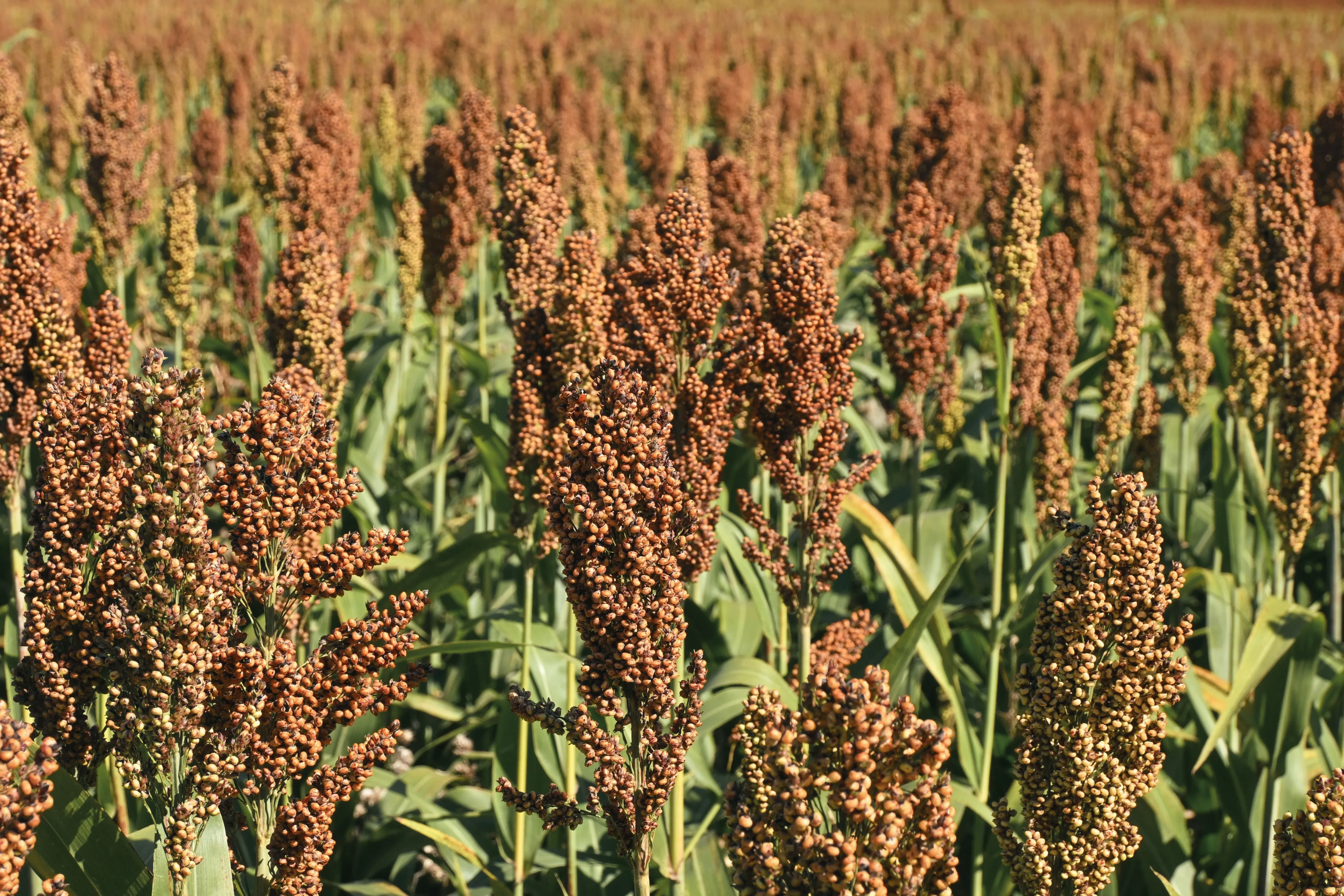
Characteristics of the sorghum plant
As well as its nutritional value, sorghum stands out for its cultivation characteristics: it is a very hardy plant, capable of adapting to adverse environmental conditions.
These qualities have facilitated its spread across different regions of the world and made it a cereal of great interest from an agronomic perspective.
Plant structure
The sorghum plant looks very similar to maize, although there are numerous varieties. Depending on the species and growing conditions, it can grow to between half a metre and seven metres in height. It produces relatively large grains that are partly protected by structures known as glumes.
Sowing and harvesting
Sorghum is usually sown in spring, when the soil temperature reaches between 12 and 14 °C. Compared with other cereals, sorghum is more sensitive to cold during the early stages of development, although it subsequently stands out for its excellent resistance to heat and drought. Harvesting takes place when the grain reaches physiological maturity, and yields may vary depending on the variety grown and agronomic conditions.
Nutritional value of sorghum
It is a highly nutritious cereal, as sorghum provides complex carbohydrates, fibre, plant proteins and various micronutrients.
Uses of sorghum in cooking
We can incorporate sorghum into our diet in various ways:
- The whole grain can be cooked in a similar way to rice to accompany main courses, salads or stews.
- Sorghum flour is very useful for making gluten-free recipes such as bread, sponge cakes, biscuits, pancakes or dough, although it is usually combined with other flours to improve the final texture.
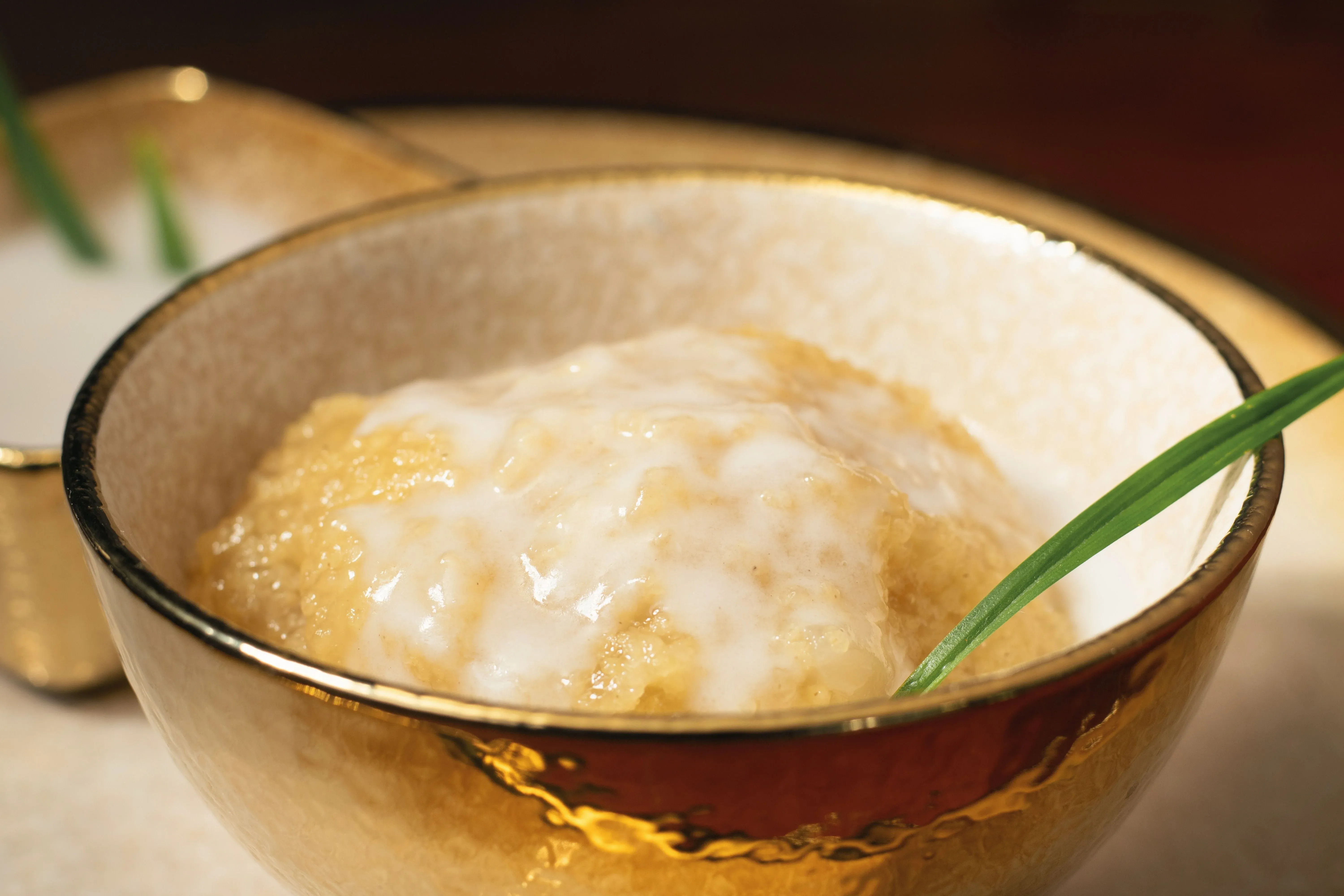
- It can also be used in porridges, semolina or certain traditional drinks made from cereals.
Furthermore, its mild flavour means it goes well with both sweet and savoury recipes.
Sorghum at Dr. Schär
For over a decade, Dr. Schär has been driving research and development projects related to strategic raw materials for gluten-free food through its R&D centre located at the AREA Science Park in Trieste (Italy).
The company works alongside farmers and businesses in the agri-food sector to develop sustainable supply chains and ensure the quality of ingredients such as sorghum, maize, buckwheat, millet, oats and lentils.
This work enables crop diversification, improves agronomic practices and provides suitable raw materials for the production of gluten-free products.
Key points: what sorghum brings to a gluten-free diet
In short, sorghum is an interesting alternative for diversifying the diet of people following a gluten-free diet. Here are some of its main advantages:
- It is a cereal that is naturally gluten-free.
- It provides complex carbohydrates and plant-based proteins.
- It contains B vitamins and various minerals.
- It provides phenolic compounds with antioxidant activity.
- It can be used both as whole grains and as flour in a wide range of recipes.
- It is a highly drought-resistant crop, which makes it of great interest from both an agricultural and environmental perspective.
Frequently asked questions
You may also be interested in...

3 interesting clinical cases from a nutrition consultation
Read more: 3 interesting clinical cases from a nutrition consultation
Coeliac disease beyond the gut: neurological and psychiatric manifestations
Read more: Coeliac disease: neurological and psychiatric manifestations
Differential diagnosis of coeliac disease
Read more: Differential diagnosis of coeliac disease
Sources
Author Dr. Schär Institute
Bibliografía
- FAO. Sorghum Biology. 2017.
- FAO. Crop Information: Sorghum.
- Landwirtschaftskammer Österreich. Sorghum bicolor: cultivo y experiencia agronómica.
- FAO. Sorghum and Millets in Human Nutrition.
- U.S. Department of Agriculture (USDA). National Nutrient Database for Standard Reference.
- Xiong Y, Zhang P, Warner R, Fang Z. Sorghum Grain: From Genotype, Nutrition, and Phenolic Profile to Its Health Benefits and Food Applications. Compr Rev Food Sci Food Saf. 2019.