

The Link Between IBS and Hypermobility Disorders
Gastrointestinal (GI) symptoms are highly common among patients with hypermobility spectrum disorders (HSD) and can be complex to manage, especially from a nutrition perspective. Broadly, HSD includes a range of conditions where joints extend beyond their typical range of motion (Quigley, 2024). Understanding the complex relationship between HSD and GI symptoms is critical in order to guide effective dietary treatment that both controls symptoms and prevents negative nutritional consequences.
While research remains ongoing, much has been revealed about the links between digestive conditions and HSD. These insights provide much-needed guidance on dietary interventions that can effectively promote symptom management, ease the disease burden and improve patient outcomes overall.
Conclusion
The management of GI symptoms in patients with hypermobility disorders requires a nuanced and personalized approach. A multidisciplinary care team that includes a registered dietitian, psychologist, and medical specialists is critical to ensure adequate nutritional intake, minimize risk for disordered eating and prevent secondary health complications. While progress has been achieved in the last several decades, additional education among clinical providers is still needed to further increase awareness and understanding of the complex relationship between hypermobility, GI dysfunction, and the psycho-social needs of patients with hEDS/HSD.
Routine screening for GI conditions and hypermobility disorders can significantly improve diagnosis rates and the treatment path for those with hEDS/HSD. Tailored dietary interventions will continue to play a key role in controlling symptoms and promoting quality of life in this complex patient population.
You may also be interested in...
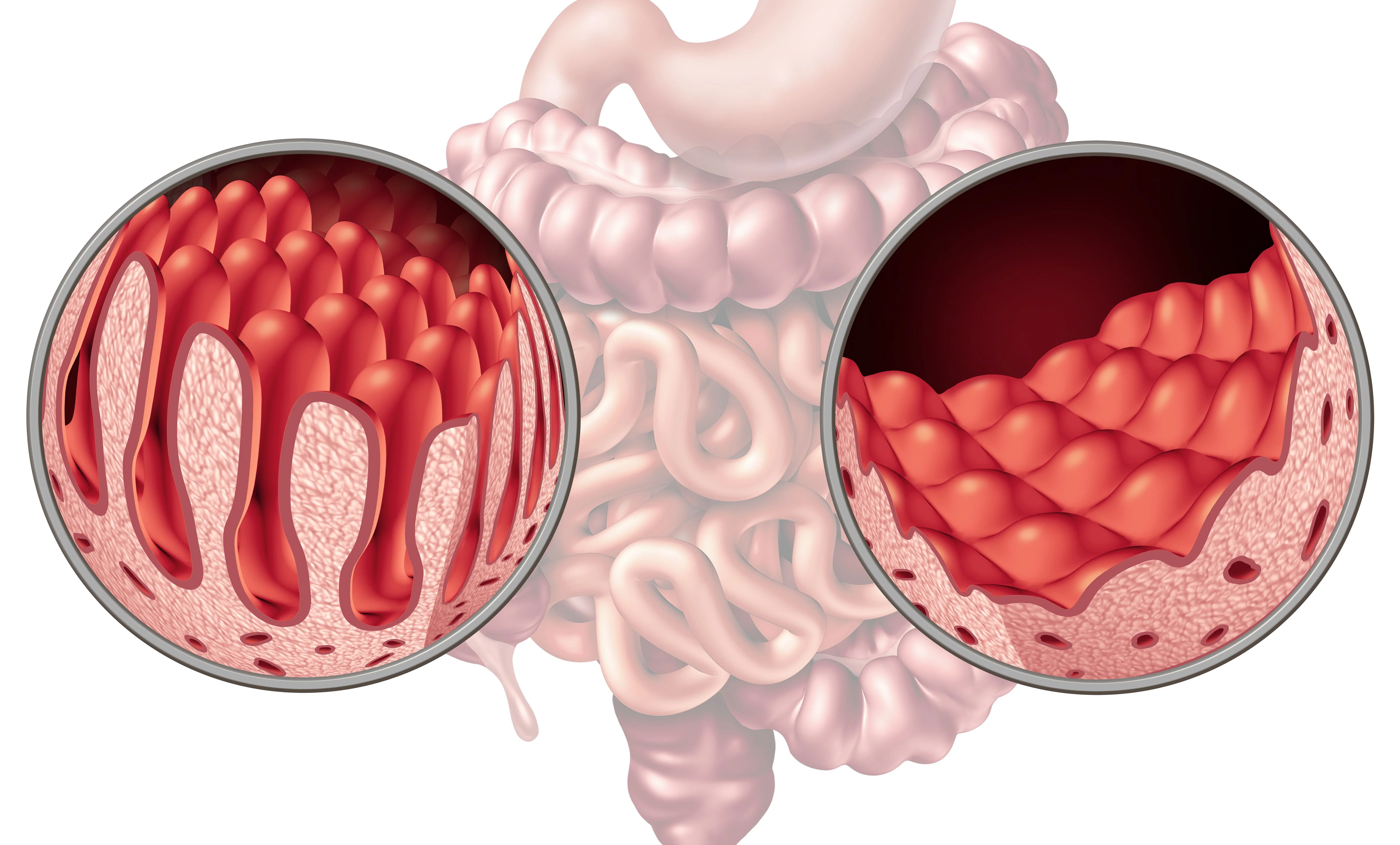
Celiac disease: Histological remission and follow-up care on a gluten-free diet
Read more: Celiac disease: Histological remission with a gluten-free diet
Case study: Persistent IBS symptoms with suspected histamine and gluten-related food intolerance
Read more: Case Study: Persistent IBS symptoms with suspected histamine and gluten-related food intolerance
Case study: Use of gluten-free staple foods to support adherence to a low FODMAP diet
Read more: Case study: Use of gluten-free staple foods to support adherence to a low FODMAP dietSources
- Quigley EMM, Noble O, Ansari U. The Suggested Relationships Between Common GI Symptoms and Joint Hypermobility, POTS, and MCAS. Gastroenterol Hepatol (N Y). 2024;20(8):479-489.
- Thwaites PA, Gibson PR, Burgell RE. Hypermobile Ehlers-Danlos syndrome and disorders of the gastrointestinal tract: What the gastroenterologist needs to know. J Gastroenterol Hepatol. 2022;37(9):1693-1709. doi:10.1111/jgh.15927
- Scicluna K, Formosa MM, Farrugia R, Borg I. Hypermobile Ehlers-Danlos syndrome: A review and a critical appraisal of published genetic research to date. Clin Genet. 2022;101(1):20-31.
- Tai FWD, Palsson OS, Lam CY, et al. Functional gastrointestinal disorders are increased in joint hypermobility-related disorders with concomitant postural orthostatic tachycardia syndrome. Neurogastroenterol Motil. 2020;32(12):e13975. doi:10.1111/nmo.13975
- Aubry-Rozier B, Schwitzguebel A, Valerio F, et al. Are patients with hypermobile Ehlers-Danlos syndrome or hypermobility spectrum disorder so different? Rheumatol Int. 2021;41(10):1785-1794.
- Lam C, Amarasinghe G, Zarate-Lopez N, et al. Gastrointestinal symptoms and nutritional issues in patients with hypermobility disorders: assessment, diagnosis and management. Frontline Gastroenterol. 2022;14(1):68-77. Published 2022 Jun 8. doi:10.1136/flgastro-2022-102088
- Choudhary A, Fikree A, Aziz Q. Overlap between irritable bowel syndrome and hypermobile Ehlers-Danlos syndrome: An unexplored clinical phenotype?. Am J Med Genet C Semin Med Genet. 2021;187(4):561-569. doi:10.1002/ajmg.c.31938
- Lam CY, Palsson OS, Whitehead WE, et al. Rome IV Functional Gastrointestinal Disorders and Health Impairment in Subjects With Hypermobility Spectrum Disorders or Hypermobile Ehlers-Danlos Syndrome. Clin Gastroenterol Hepatol. 2021;19(2):277-287.e3. doi:10.1016/j.cgh.2020.02.034
- Harris CI, Knight DRT, Mejia LA, Bilyeu L. Nutritional considerations for hypermobile Ehlers-Danlos syndrome. Pract Gastroenterol. 2024;48(5).
- Silvernale C, Garcia-Fischer I, Staller K. Relationship Between Psychological Trauma and Irritable Bowel Syndrome and Functional Dyspepsia in a Joint Hypermobility Syndrome/Ehlers-Danlos Syndrome Patient Population. Dig Dis Sci. 2024;69(3):870-875. doi:10.1007/s10620-023-08201-y
- Do T, Diamond S, Green C, Warren M. Nutritional Implications of Patients with Dysautonomia and Hypermobility Syndromes. Curr Nutr Rep. 2021;10(4):324-333. doi:10.1007/s13668-021-00373-1
- National Institute for Health and Care Excellence (NICE). Irritable bowel syndrome in adults: diagnosis and management. NICE guideline NG26. Updated April 2022. Accessed January 4, 2025. https://www.nice.org.uk/guidance/ng26.
- Fragkos KC, Keetarut K, Cox A, Eady J, Emmanuel AV, Zarate-Lopez N. Joint Hypermobility Syndrome Affects Response to a Low Fermentable Oligosaccharide, Disaccharide, Monosaccharide and Polyol Diet in Irritable Bowel Syndrome Patients: A Retrospective Study. Gastroenterology Res. 2019;12(1):27-36. doi:10.14740/gr1133
- Baeza-Velasco C, Van den Bossche T, Grossin D, Hamonet C. Difficulty eating and significant weight loss in joint hypermobility syndrome/Ehlers-Danlos syndrome, hypermobility type. Eat Weight Disord. 2016;21(2):175-183. doi:10.1007/s40519-015-0232-x
- Topan R, Pandya S, Williams S, et al. Comprehensive Assessment of Nutrition and Dietary Influences in Hypermobile Ehlers Danlos Syndrome (CANDI-hEDS) - a cross sectional study. Am J Gastroenterol. Published online November 16, 2023.
- Topan R, Pandya S, Williams S, et al. Comprehensive Assessment of Nutrition and Dietary Influences in Hypermobile Ehlers-Danlos Syndrome-A Cross-Sectional Study. Am J Gastroenterol. 2024;119(4):727-738. doi:10.14309/ajg.0000000000002586