
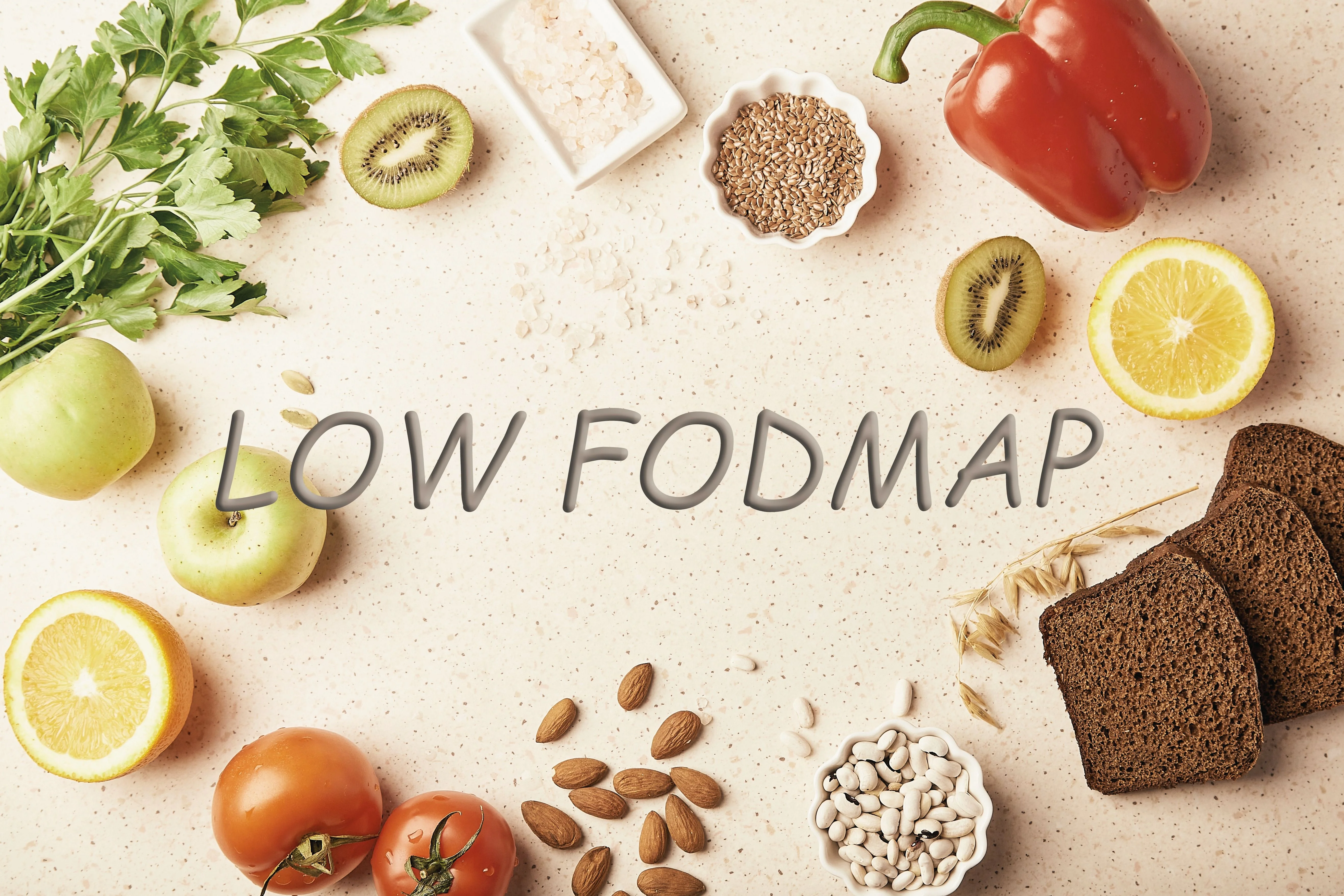
Case study: Use of gluten-free staple foods to support adherence to a low FODMAP diet
Brief description
A female in her late 20s, working in a stressful office-based role, was seen in a private remote dietetic clinic as part of a four-month 1:1 IBS coaching programme. She had a prior diagnosis of constipation-predominant irritable bowel syndrome (IBS-C) and sought support to identify food triggers, improve bowel regularity, and feel more confident managing symptoms at work and in social situations. Initial assessment indicated that symptoms were interfering with both work and socialising, and that she was unsure which foods were driving symptoms.

Presenting Complaint
The patient reported bloating, gas, audible bowel noises, and inconsistent bowel habits, with constipation predominating. Symptoms had developed gradually during university and became more noticeable over time. She described embarrassment and discomfort in the workplace due to bowel noises and gas. She had already reduced gluten-containing foods and reported some improvement, but remained highly cautious with food and relied on a limited number of “safe” options. Food diary records showed frequent hard stools, often described as separate hard lumps or stools with cracks, alongside bloating and wind.
Case presentation
1. Medical History & Medications
She had a prior diagnosis of IBS-C. Coeliac disease and inflammatory bowel disease had been ruled out. No other relevant medical conditions were reported. She had previously trialled psyllium husk with limited success and had also used magnesium.
2. Anthropometry
Anthropometric data were within the healthy BMI range, with a BMI of approximately 19 kg/m² at assessment. Weight maintenance and maintaining energy levels were among her stated goals.
3. Biochemistry
No biochemical data were available within the coaching setting. However, coeliac disease and inflammatory bowel disease had reportedly been excluded medically.
4. Dietary Assessment
Dietary assessment suggested low variety, inconsistent meal structure, and insufficient overall intake. Some days consisted of snacks rather than three structured meals, and fruit, vegetable, and fluid intake were inconsistent. A review of her diary suggested that the total intake volume was insufficient to support optimal stool bulk and regular bowel function; intake was estimated at below 1500 kcal/day on two analysed days.
During the elimination phase, the patient used Schär gluten-free staple foods, including Schär Gluten Free Wholesome Vitality Loaf, Schär Pizza Base, and Schär Digestive Biscuits. These foods provided practical lunch, snack, and evening meal options within a low FODMAP dietary pattern.
5. Psychosocial Factors
The patient’s symptoms had a clear psychosocial impact. She wanted to feel more comfortable socialising and was self-conscious at work due to bowel noises and gas. She was motivated and engaged well with coaching, but tended towards over-restriction when symptoms felt unpredictable, expressing reluctance to progress beyond the elimination phase until she felt fully confident.
6. Dietetic Intervention
Intervention focused on improving meal structure, increasing food variety, reducing unnecessary restriction, and supporting bowel function. Education was provided on the low FODMAP diet as a short-term strategy rather than a long-term restrictive approach. The food diary review suggested that symptoms were driven not only by trigger foods but also by hard stools, incomplete emptying, low intake, and stacking of fermentable fibres. Advice, therefore, included improving meal consistency, moderating combinations of seeds and nut butters, increasing intake of suitable fruit and vegetables, and supporting hydration.
Schär products played a practical role in supporting adherence during the elimination phase by providing familiar, convenient gluten-free staples and reducing dietary monotony.
7. Outcome / Follow-Up Review
By the end of the programme, bowel motions had become more regular, stool form improved towards Bristol Stool Form Scale types 3-4, bloating and bowel noises had reduced, and dietary variety had broadened. She became more confident eating out; initially, menu choices were reviewed together, but later she was able to select suitable options independently. She successfully completed FODMAP reintroduction and identified a more personalised tolerance pattern. Reintroduction records suggested tolerance to several FODMAP groups, with onion fructans remaining problematic.
8. Reflection
This case reinforced the importance of looking beyond trigger foods alone in IBS-C. In this patient, symptom burden was influenced by constipation, low intake, limited dietary variety, and fear-based restriction. It also highlighted the value of practical gluten-free staple foods during low FODMAP elimination. In this case, Schär products were not the treatment itself, but they supported adherence, meal structure, and wider dietary variety while the patient progressed towards a more personalised and sustainable diet.
About the author
Aleks Jagiello, BSc (Hons), MSc, RD. Founder/Director - The Digital Dietitian, London, UK.
Website: https://www.thedigitaldietitian.co.uk/
Instagram: https://www.instagram.com/ibs.gutdietitian/ or @ibs.gutdietitian

You may also be interested in

Coeliac disease: global prevalence and new findings from 2026
Read more: Coeliac disease: global prevalence and new findings from 2026
Dermatitis herpetiformis: the skin as a sign of coeliac disease
Read more: Dermatitis herpetiformis: the skin as a sign of coeliac disease
3 interesting clinical cases from a nutrition consultation
Read more: 3 interesting clinical cases from a nutrition consultation